This makes you feel more alert than you would be without caffeine.67 Repeatedly in scientific studies, caffeine may improve sustained attention as much as prescription stimulants (but more research is needed).13 A 2022 review also outlined how caffeine appears to have neuroprotective effects against Alzheimers disease in animal models, but this theory still needs to be researched and tested more rigorously in humans.14 L-Theanine Most common in tea leaves, L-theanine is another amino acid thats key for inducing relaxation.68 Like ashwagandha, its long been known to reduce stress, particularly when used in conjunction with caffeine (where L-theanine reduces the jittery effect commonly felt when you have a little more than you need).15 Theres a link between L-theanine and improved sleep quality, too, though there still needs to be more research on this subject before anything can be stated definitively.16 Rhodiola rosea Rhodiola rosea is an herb common in northern Europe thats similar to ashwagandha

Yen K, Wan J, Mehta HH et al (2018) Humanin prevents age-related cognitive decline in mice and is associated with improved cognitive age in humans
Dobashi, S., Horiuchi, M., Endo, J., Kiuchi, M
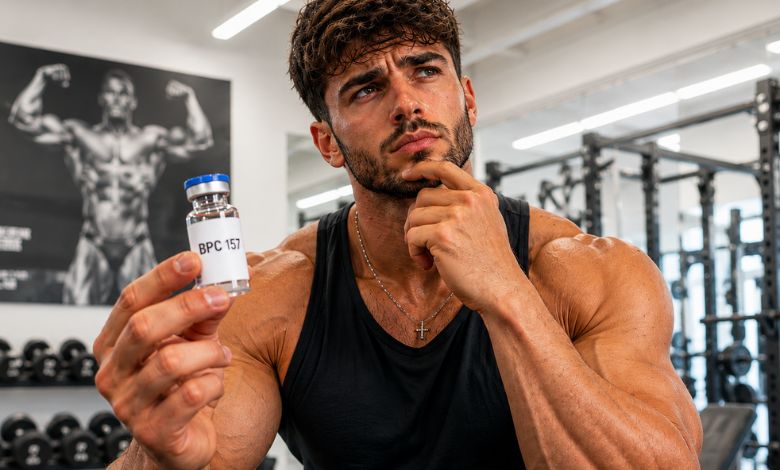
No studies have examined whether BPC-157 use increases cancer risk, but the concern is biologically plausible