N Engl J Med 374(3):233241 Garcia-Pavia P, Kim Y, Restrepo-Cordoba MA, Lunde IG, Wakimoto H, Smith AM, Toepfer CN, Getz K, Gorham J, Patel P, Ito K, Willcox JA, Arany Z, Li J, Owens AT, Govind R, Nuez B, Mazaika E, Bayes-Genis A, Walsh R, Finkelman B, Lupon J, Whiffin N, Serrano I, Midwinter W, Wilk A, Bardaji A, Ingold N, Buchan R, Tayal U, Pascual-Figal DA, de Marvao A, Ahmad M, Garcia-Pinilla JM, Pantazis A, Dominguez F, John BA, ORegan DP, Rosen SD, Prasad SK, Lara-Pezzi E, Provencio M, Lyon AR, Alonso-Pulpon L, Cook SA, DePalma SR, Barton PJR, Aplenc R, Seidman JG, Ky B, Ware JS, Seidman CE (2019) Genetic variants associated with cancer therapy-induced cardiomyopathy
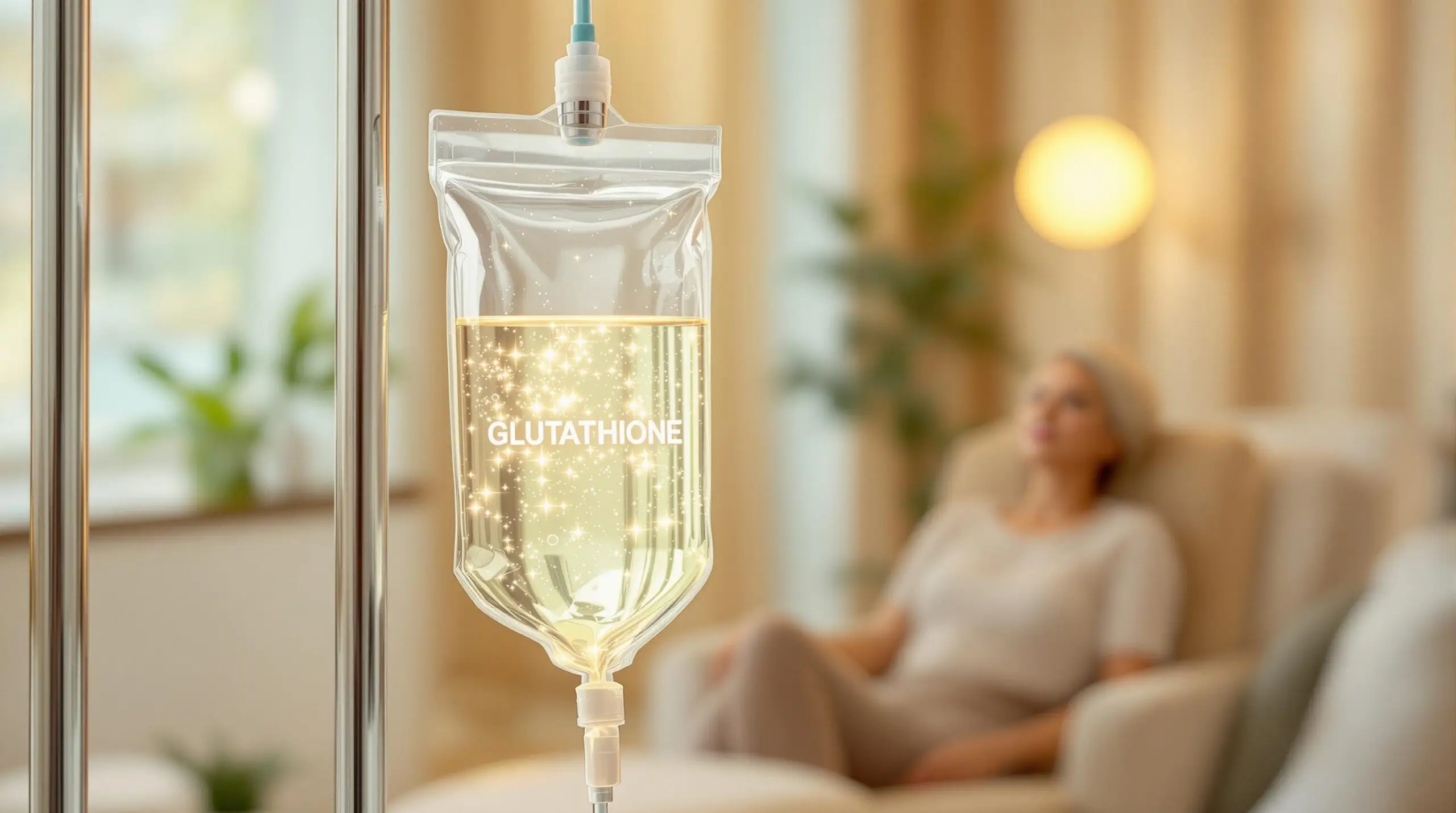
Immunosuppressants: Since glutathione can enhance immune function, it might counteract the immunosuppressive effects, potentially leading to reduced drug effectiveness or increased immune activity Antidiabetic Medications: Glutathione can influence blood sugar levels and insulin sensitivity
One warning sign we see in children with autism is low levels of glutathione
To stop vitiligo progression and promote a favorable environment for repigmentation (maturation of melanocytes), is necessary an intervention that reduces ROS production, improves the EAS, and reduces the pro-inflammatory profile ( Origin of Oxidative Stress and Vulnerable Antioxidant System: Mechanistic Factors in Vitiligo Development It is well known in vitiligo patients that dramatic imbalance between the oxidant system (high) and EAS (deficient) leads to a predominant state of OS (Schallreuter, 2014)