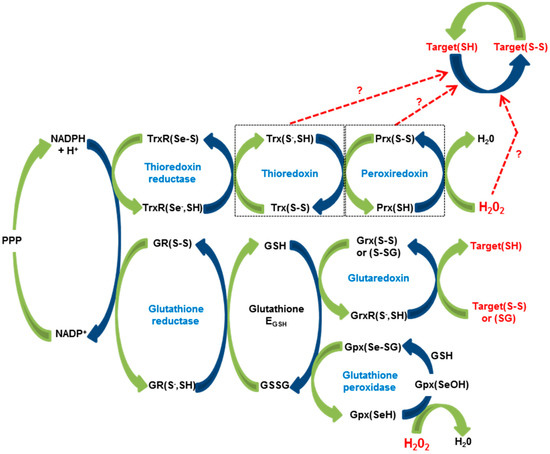
4 Role of oxidative stress, inflammation, and coagulation Redox homeostasis alterations in venomous animal envenomation victims contribute to secondary or long-term complications, with oxidative stress being a key factor
Females exhibit a greater vulnerability to developing an allergic reaction to cochineal color, potentially due to sensitization through cosmetic use (4)
GPNA is a small molecule inhibitor that inhibits Na-ion-dependent amino acid transporters including SLC1A5

Anti-inflammatory effects: Downregulates pro-inflammatory cytokines (IL-6, TNF-, IL-1) and reduces oxidative stress Gut barrier integrity: Promotes repair of tight junctions, limiting leaky gut and preventing translocation of inflammatory molecules Angiogenesis and collagen production: Enhances growth of new blood vessels and collagen fibers, accelerating tissue repair after injury or chronic inflammation How BPC-157 decreases inflammation 3 Suppresses pro-inflammatory pathways: Inhibits NF-B signaling, reducing the cascade of inflammatory cytokines Enhances anti-inflammatory factors: Upregulates protective growth factors such as VEGF (vascular endothelial growth factor) and TGF- Reduces oxidative stress: Neutralizes reactive oxygen species (ROS), decreasing tissue damage in the inflamed oral mucosa or stomach lining Restores tissue balance: Unlike broad anti-inflammatories (NSAIDs), BPC-157 doesnt shut down inflammation entirely